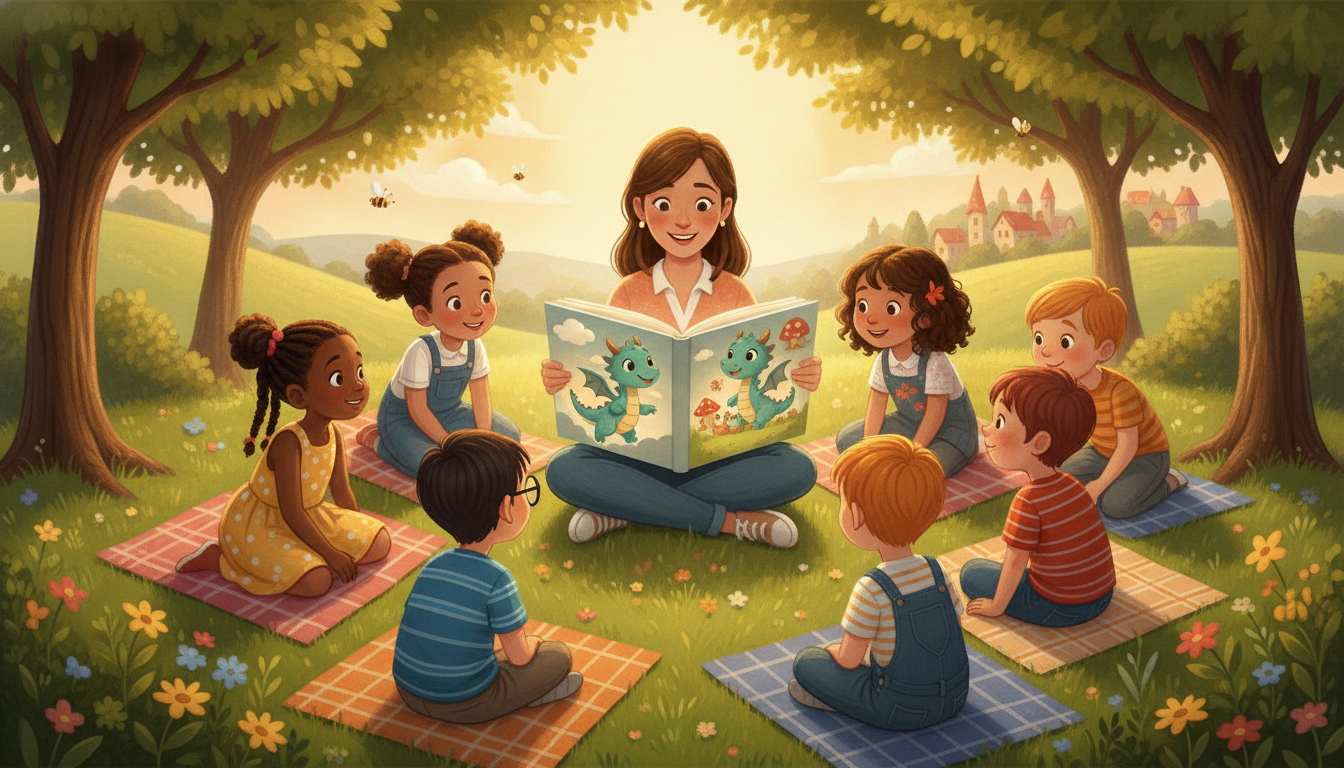
A few years ago, AI art tools produced illustrations that felt slightly off. Characters might have three fingers or unsettling smiles, and backgrounds often looked like they were melting. But something quietly changed. The latest AI illustration tools can now create images with the warmth and texture of a beloved storybook. The lighting looks natural, the expressions feel genuine, and the colors have that soft richness that makes a child want to reach out and touch the page.
This shift matters because traditional illustration is expensive. Commissioning an artist for a full children's book can cost thousands of dollars, putting personalized stories out of reach for many families. AI tools don't replace human artists, but they do offer a practical alternative when budget is a concern. The key is understanding how to use them thoughtfully.
You don't need technical skills to get good results. Think of it like explaining a scene to a child. Instead of saying "generate a 2D vector illustration with a 0.7 stylization value," you might write, "a small girl with curly red hair sits under a tree, reading a book while sunlight filters through the leaves." The more you focus on mood and feeling rather than technical terms, the better the output tends to be. Descriptions like "a rainy afternoon with steaming mugs of cocoa" or "a dragon wearing pajamas" often yield more storybook-ready art than overly precise instructions.
Consistency across pages is crucial for children's books. Early AI tools struggled with this, but newer systems can maintain a character's key features throughout multiple scenes. If your protagonist wears a striped scarf in one image, the tool can remember that detail in the next. Small variations (like a slightly different hair part) matter less than preserving the emotional essence of the character. Kids care more about whether the hero feels like their friend than whether every button on their jacket is identical.
The real advantage is how this reshapes budgets. When you're not spending most of your funds on illustrations, you can allocate resources elsewhere. Maybe that means higher quality paper, a hardcover binding, or printing extra copies for grandparents. For homeschoolers creating educational stories, it might mean producing multiple versions tailored to different students. The lower cost also makes it feasible to experiment. You can tweak a scene without worrying about additional artist fees, or test different styles until you find the perfect fit for your story's tone.
AI illustrations work especially well for personalized books. Stock art won't capture your child's specific freckle pattern or the way your family's kitchen looks during holiday baking. With AI, you can describe those unique details and see them reflected in the artwork. The technology excels when guided by someone who knows exactly what emotional atmosphere they want to create, whether that's the quiet wonder of a midnight garden or the chaotic joy of a toddler's birthday party.
Tools like Fablekit combine this approach with story-writing guidance, helping parents create cohesive books where the text and illustrations feel like they belong together. The goal isn't perfection, but connection. A slightly wobbly line or imperfect perspective often adds charm, much like the handmade feel of a child's favorite picture book. What matters is that the story feels true, and that the child holding it can see themselves in its pages.