Bringing a children's book to life through illustrations is an exciting journey, but many parents and aspiring authors wonder about the timeline. It's not just about drawing pictures, there's a detailed process involved. Understanding each step can help manage expectations and make the collaboration with an illustrator much smoother.
More Than Just Drawing: The Stages of Illustration
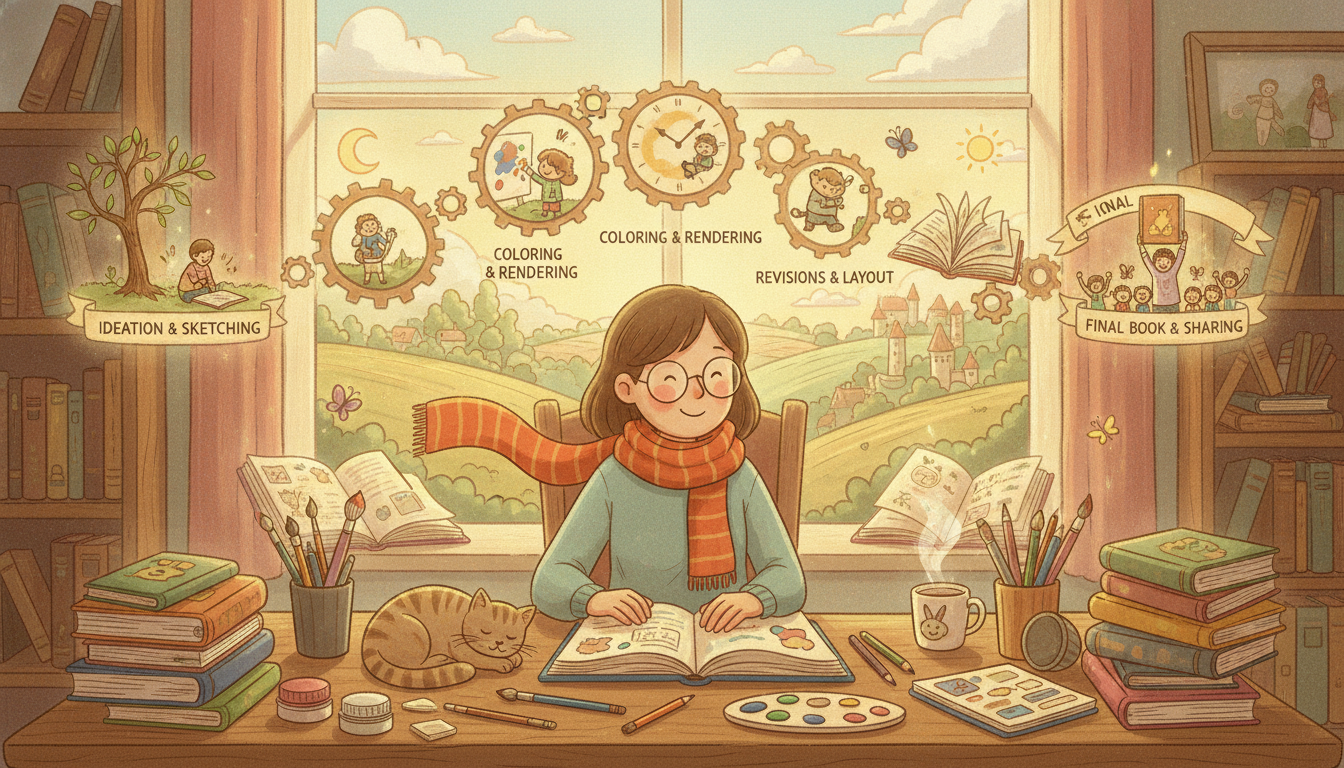
Illustrating a children's book involves several distinct phases, not just the final painting or digital rendering. You can expect concept development, character design, storyboarding, sketching, revisions, and final artwork, each requiring dedicated time. Think of it like building a house: you need blueprints and foundations before you can decorate the rooms. Each stage builds upon the last, ensuring a cohesive and visually engaging story.
Initial Concepts and Character Development
This stage sets the visual tone and defines your main characters, which is crucial for consistency throughout the book. An illustrator might spend one to three weeks here, exploring different styles and presenting options until you find the right fit. Revisions at this early stage save a lot of time later, so it's worth getting it right. This is where the magic of a consistent character, like one you might create with tools like Fablekit, really begins to take shape.
How long does storyboarding and page layout take?
Once characters are set, the illustrator creates a visual plan for each page, showing how text and images will interact. This stage often takes one to two weeks. You'll get a good sense of the book's rhythm and how the story unfolds visually before any detailed drawing begins.
This is like a comic book layout, ensuring the story flows visually and pacing is effective. It's a critical step that helps identify any potential visual storytelling issues early on, preventing more costly changes down the line. You'll see thumbnails or rough layouts that map out every spread.
How long does the sketching and line art stage usually last?
This is where the actual scenes take shape, usually in pencil or digital sketches. For a typical 24-32 page children's book, this stage can easily take three to six weeks, depending on complexity and illustrator speed. This stage often involves feedback loops, where you review sketches and request adjustments before the final colors are added.
It's important to be clear with your feedback here. If you're wondering "how to make illustrations for a kids book?", this is a key part of the process where the illustrator translates your words into visual compositions. You might receive drafts in various file formats, perhaps even .ai or .eps files if working with a digital artist using vector programs, although often they'll be JPEGs or PDFs for review.
Coloring, Finishing, and Final Touches: The Longest Stretch
After approved sketches, the illustrator adds color, texture, and all the details that make the artwork pop. This is often the most time-intensive part of the illustration process, potentially taking four to eight weeks or even longer for highly detailed styles. Final revisions might include slight color adjustments or minor details before the files are prepared for printing. When considering "what is the highest quality way to export an illustrator file?", the illustrator will handle these technical details, likely providing high-resolution TIFFs or PDFs suitable for commercial printing.
What factors can speed up or slow down the illustration process?
The number of pages, complexity of the art style, and amount of detail all directly impact the timeline. Your responsiveness to feedback and ability to provide clear directions can significantly speed things up. An illustrator's current workload and their established process also play a role, so a clear contract and communication are key.
For example, a book with simple, flat colors will be quicker than one with intricate textures and shading on every page. Also, if you're not prompt in reviewing and approving stages, that adds days or weeks to the overall schedule. While some people might ask "can I use AI to illustrate a picture book?" or "is it legal to use AI to illustrate a children's book?", the human element of collaboration and iterative feedback remains central to traditional illustration timelines.
Frequently Asked Questions
What is the total estimated time for a children's book illustration project?
While it varies greatly, a realistic timeframe for a typical 24-32 page children's book illustration project, from concept to final art, often falls between three to six months. This accounts for all stages including revisions and communication.
How much feedback is typically involved in the illustration process?
Expect several rounds of feedback at different stages: concept, character design, storyboarding, and sketching. Clear and concise feedback is crucial for keeping the project on track and ensuring the final illustrations meet your vision.
What file formats should I expect from my illustrator for the final artwork?
For final print-ready artwork, you should expect high-resolution files like TIFF, print-ready PDF, or layered PSD files. These formats ensure the best quality for commercial printing and allow for minor adjustments if needed.
Does the illustrator's experience level affect the timeline?
Yes, an experienced illustrator often has a more streamlined process and can work more efficiently, potentially shortening certain stages. However, their rates may also be higher, reflecting their expertise and proven track record.