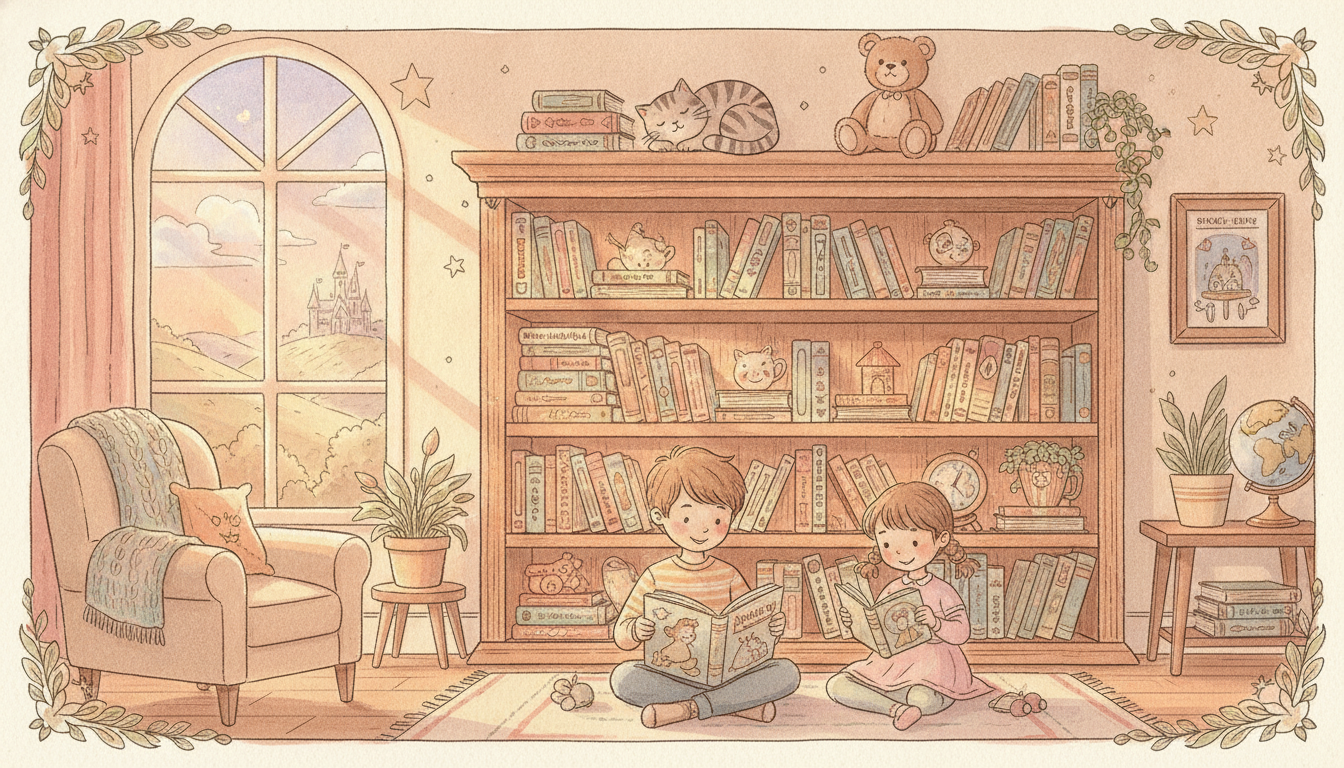
A children's bookshelf is often seen as a practical item, a place to stack stories and keep them tidy. But what if we looked at it differently? What if we saw it as a launchpad for imagination, a quiet corner for discovery, and a vital step in nurturing a lifelong love of reading? Transforming a simple piece of furniture into a reading haven doesn't require a huge budget or a complete home renovation. It's about thoughtful arrangement and a little intention.
More Than Just Storage: Creating an Inviting Book Nook
An inviting book nook starts with accessibility. Books should be at eye level and within easy reach for little hands, encouraging independent selection. Think about a low shelf or a forward-facing display that lets children see the covers, making them feel like they're choosing their own adventure. Comfort is also key, so adding a soft rug, a comfy pillow, or even a small, child-sized chair can transform a simple bookshelf into a cozy, personal reading spot. Finally, consider the overall environment. Good lighting, perhaps a little lamp, and a relatively quiet corner make the bookshelf feel like a special, dedicated destination for stories, not just another piece of furniture.
What should go on a children's bookshelf?
A children's bookshelf should feature a diverse mix of genres to keep young readers engaged. Include everything from vibrant picture books and early readers to age-appropriate non-fiction and poetry. Rotate the collection regularly to introduce new titles and keep things fresh.
Mixing it up is crucial. Don't be afraid to include beloved classics alongside newer stories, even some children's books from the 90s and 2000s that you enjoyed as a child. Rotating books seasonally or based on current interests, like a trip to the zoo or an upcoming holiday, can reignite excitement for reading. Most importantly, involve your child in the curation process. Letting them choose some books, even if they aren't always your first pick, gives them a sense of ownership and makes reading feel like their choice, not a chore.
What is the 5 finger rule for books?
The 'five finger rule' is a simple method to help young readers determine if a book is at their independent reading level. If a child struggles with more than five words on a single page, the book might be too challenging for them to read on their own.
While this rule is a helpful guide for independent reading, it's not set in stone. Sometimes, a child's deep interest in a particular topic makes a slightly harder book worth the effort, especially if you're reading it together. Don't shy away from rereading favorite stories either. Repetition builds confidence, improves comprehension, and provides comfort. Familiar tales, even ones you can find as children's books free online, reinforce early literacy skills and create cherished memories.
Beyond the Pages: Using Books as Springboards for Creativity
Books are not just for reading, they're for inspiring. Connect the stories to real-world activities. If you read about animals, visit a local farm or make animal masks. If it's a book about space, look up at the stars together. After reading, encourage storytelling by asking questions like 'what happens next?' or 'what would you do if you were that character?' This helps children develop their narrative skills and critical thinking. You can even use books as inspiration for creating original tales, drawing characters, or writing a simple book together. Tools like Fablekit make this easy, allowing children to become authors and illustrators of their own personalized stories.
How can I keep my child's bookshelf exciting?
Keep your child's bookshelf dynamic by embracing worn books as signs of engagement, gifting new books often, and incorporating homemade stories. This approach ensures the collection continually evolves and reflects your child's growth and interests.
A well-loved book, with dog-eared pages and a slightly scuffed cover, is a badge of honor, not something to discard. It shows a story has been enjoyed repeatedly. Encourage family and friends to give books for birthdays and holidays, continually refreshing the collection with new adventures. Don't forget to incorporate stories your child has created themselves. Displaying their own work, whether it's a drawing or a simple narrative, alongside published works shows them that their own stories and ideas are valued and belong on the children's bookshelf too.
Frequently Asked Questions
What age is a children's bookshelf for?
A children's bookshelf is suitable for all ages, from infants to pre-teens. The key is to stock it with age-appropriate books that match the child's developmental stage and interests, rotating the collection as they grow.
How can I encourage my child to read more?
To encourage more reading, make books easily accessible and inviting, let your child choose titles they are interested in, and make reading a shared, positive experience. Model reading yourself and create a cozy reading space.
Should I organize my children's bookshelf by color or by genre?
For younger children, organizing by cover appeal or theme might be more engaging than by strict genre. For older children, organizing by genre, author, or even series can help them find what they're looking for and develop organizational skills.
Are digital children's books a good substitute for physical books?
Digital children's books can be a great complement to physical books, offering accessibility and interactive features. However, physical books provide a different sensory experience and are important for developing fine motor skills and a tactile connection to stories.
How often should I rotate the books on my child's bookshelf?
Rotating books every few weeks or seasonally can keep the bookshelf feeling fresh and exciting. You can also rotate books based on your child's current interests, a topic they are learning about, or upcoming events like holidays.